



Studying Biodegradation
Why Does This Matter?
Developing biodegradable materials is an important first step but understanding how they break down in the environment is just as important. Through this experiment, we study how PlantMe Beads biodegrade in soil and how plant seeds in the beads and naturally occurring microorganisms contribute to the process.
Our goal is to use these findings to better understand the environmental behavior of bio-based plastics and support the development of more sustainable alternatives to traditional plastic and support Mardi Gras tradition.
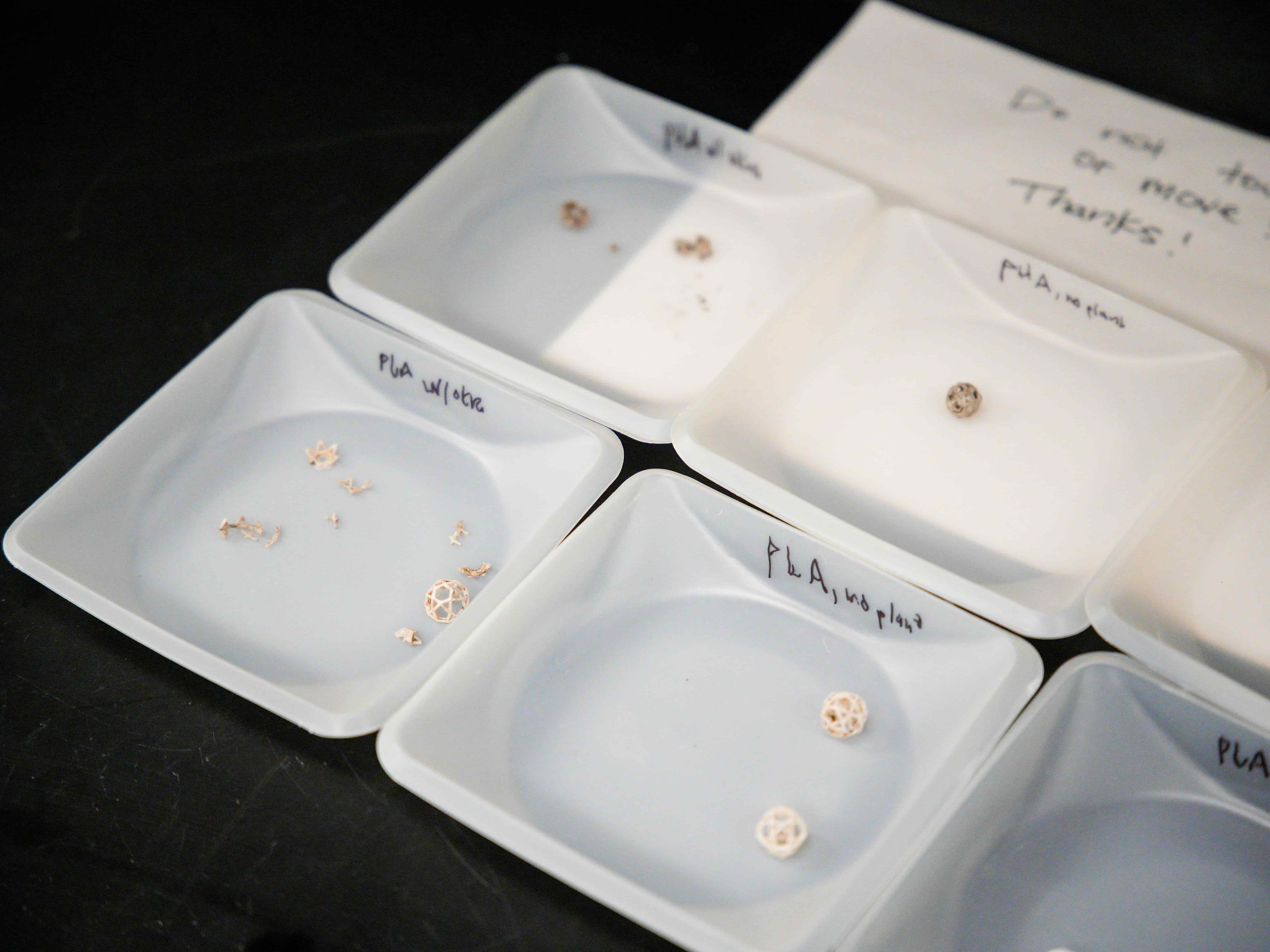
PlantMe Beads to Study Biodegradation with ASTM D5988-18 Method
Plastic materials can remain in the environment for long periods of time, making it important to understand how different materials break down after disposal. As part of our PlantMe Beads research, we use the ASTM D5988-18 industry standard method to investigate conversion of our beads to minerals in the soil to aid in biodegradation. Instead of just looking for changes in its weight.
Creating a Natural Soil Environment
We use garden soils that contain bacteria, fungi, and other microorganisms. The soils provide the moisture and nutrients needed for these microorganisms to grow and carry out their activities.
Introducing PlantMe Beads into the Soil in a Sealed Container
We place beads into soil to study how much materials are converted into carbon dioxide (CO2) over time.
Microbial Activity
Naturally occurring microorganisms can break down certain plastic materials and use their carbon as their nutrients. During this process, some of the carbon is converted into carbon dioxide (CO₂), which is released as part of microbial activity.
Capturing and Measuring Carbon Dioxide (CO₂)
We use a potassium hydroxide (KOH) solution to capture the CO₂ released during biodegradation. The KOH acts like a trap in the container, absorbing the CO₂ produced in the experiment.
To determine how much CO₂ was captured, we use hydrochloric acid (HCl) in a process called titration. The HCl reacts with the KOH that remains after capturing CO₂. By measuring how much HCl is needed, we can calculate the amount of CO₂ produced.
Understanding How Much Biodegradation Occurs
The amount of CO₂ produced over time helps us estimate how much of the plastic material has biodegraded. By comparing different bead materials and treatment groups, we can investigate which materials show greater biodegradation under our testing conditions.
Preliminary Results
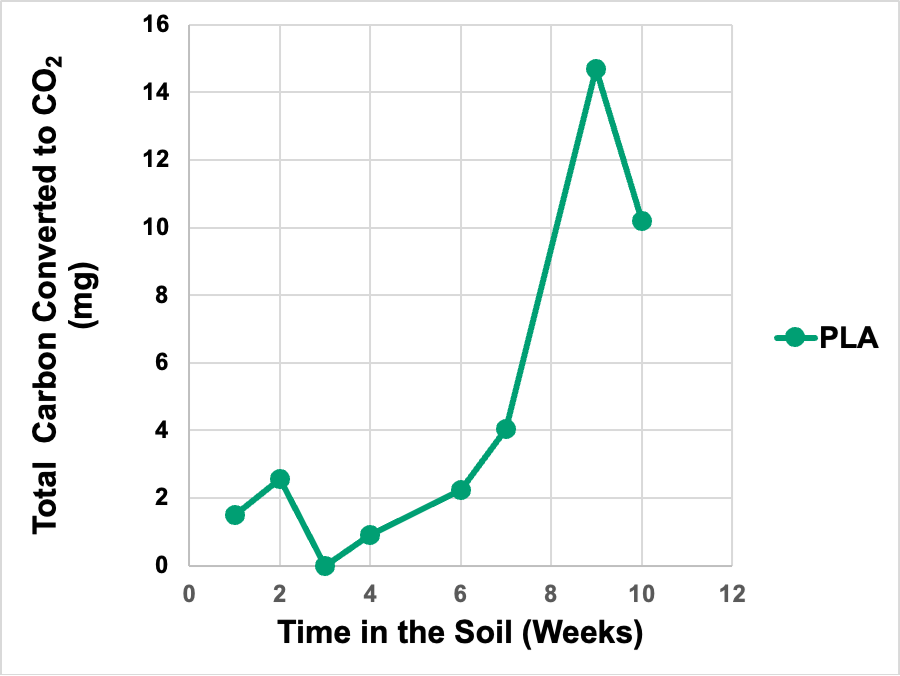
Figure 1. Carbon mineralization of PLA beads in soil over time.
Carbon released as carbon dioxide (CO₂) during the breakdown of PLA beads was estimated using a potassium hydroxide (KOH) capture method followed by hydrochloric acid (HCl) titration. Cumulative carbon converted to CO₂ (mg) was calculated over the course of ten weeks.
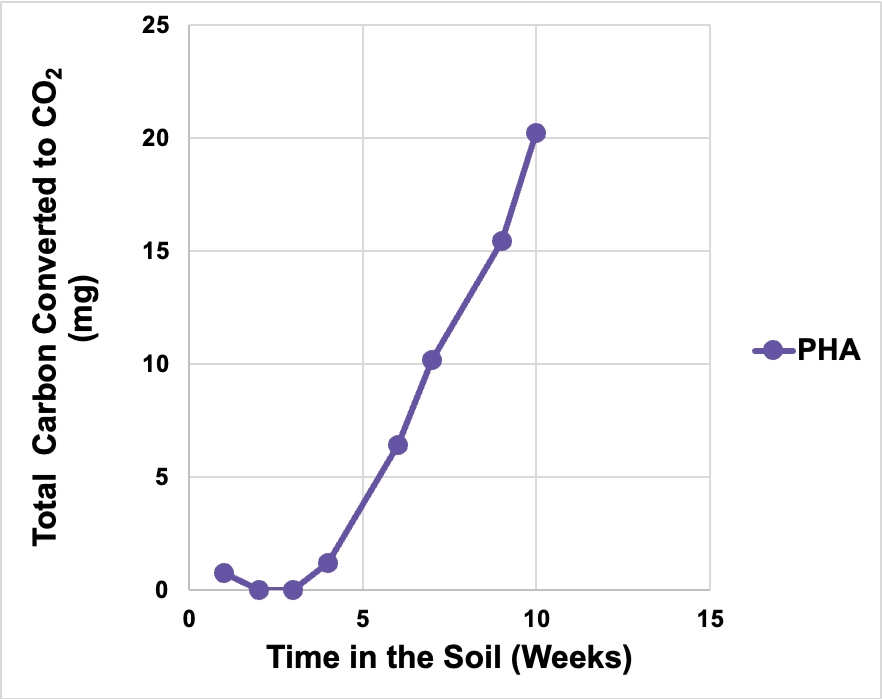
Figure 2. Carbon mineralization of PHA beads in soil over time.
Carbon released as carbon dioxide (CO₂) during the breakdown of PHA beads was estimated using a potassium hydroxide (KOH) capture method followed by hydrochloric acid (HCl) titration. Cumulative carbon converted to CO₂ (mg) was calculated over the course of ten weeks.
Planting PlantMe Beads to Study Biodegradation in Garden
To better understand the interactions between plants, microorganisms, and bioplastics in the rhizosphere, we conduct a planting experiment using PlantMe Beads made from two biodegradable materials: polylactic acid (PLA) and polyhydroxyalkanoate (PHA). By incorporating seeds into the beads, we can study how growing plants influence microorganisms living around their roots and how these interactions may contribute to bioplastic degradation.
After the beads are printed using a 3D printer, we weigh each bead to record its starting weight. Some beads contain a seed some do not for comparison. The beads are then taken to the LSU Horseshoe Gardens, where they are planted a few inches below the soil surface.
Throughout the experiment, the soil is watered daily to provide the moisture needed for seed germination and plant growth. We regularly monitor the planting areas to observe whether plants begin to sprout from the beads.
Harvesting and Measuring Bioplastic Changes
Once the plants have grown, we harvest them by carefully digging up the plants, beads, and surrounding soil. This allows us to observe how the plants have grown from the beads and collect the materials needed for further testing.
Back in the laboratory, we gently wash the recovered beads to remove any remaining soil. The beads are then dried for two days before being weighed again. By comparing their starting and final dry weights, we can measure how much material was lost during their time in the soil.
Preliminary Results
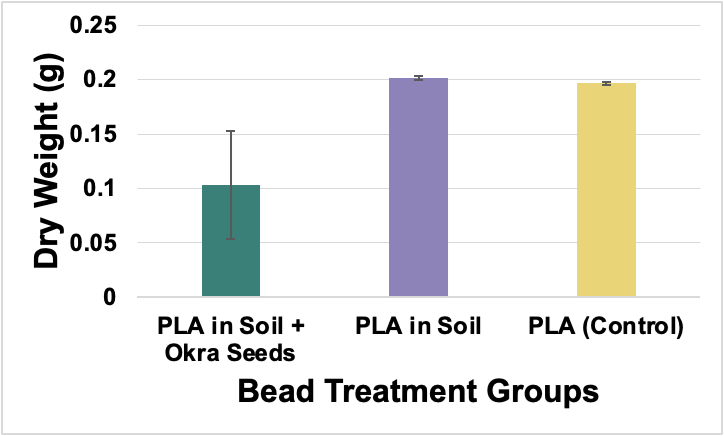
Figure 3. Average dry weight of PLA beads after 125 days (4 months) in the LSU Horseshoe Garden.
Bars represent the mean dry weight, and error bars indicate standard deviation.
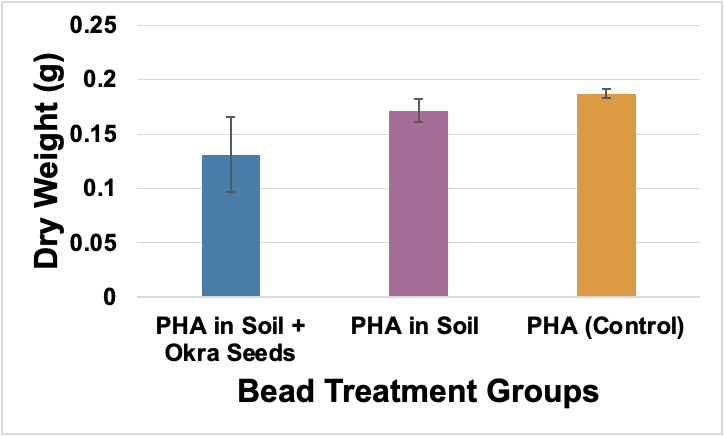
Figure 4. Average dry weight of PHA beads after 125 days (4 months) in the LSU Horseshoe Garden.
Bars represent the mean dry weight, and error bars indicate standard deviation.
Examining the Soil and Microorganisms
We also use microscopy to examine changes in the beads' physical structure and surface appearance. In addition, DNA is extracted from the collected soil samples and sent for metagenomic sequencing. This helps us identify the microorganisms living in the soil and better understand how plant growth and microbial communities may influence the breakdown of bioplastics.
Together, these approaches help us investigate the relationships between plants, soil microorganisms, and biodegradable plastics in the rhizosphere.
Preliminary Results
DNA sequencing and microscopy results are coming soon!
Composting PlantMe Beads to Study Biodegradation
We have not been able to identify industrial composting facility in Louisiana, which limits the availability of local facilities for processing compostable materials. Industrial composting uses controlled conditions to help break down organic waste, such as food scraps and other biodegradable products. Certain compostable plastics can also break down under these conditions.
To better understand how composting conditions influence the biodegradation of PlantMe Beads, we use a composting system to mimic aspects of industrial composting. This allows us to investigate how PLA and PHA beads respond to composting conditions and whether these conditions influence the rate of biodegradation.
Preparing the Beads and Compost
We begin by weighing the printed PlantMe Beads made from polylactic acid (PLA) and polyhydroxyalkanoate (PHA). Recording the starting weight allows us to compare the beads before and after composting.
Monitoring the Industrial Composting Process
We use a scaled-down, countertop version of an industrial composting system. Internal heating elements sustain a steady temperature between 50°C and 70°C. Humidity is maintained at 40% to 60% moisture levels. Continuous mechanical agitation is provided by internal metal paddles. An internal ventilation fan forces fresh air. Once the composting system is set up, we allow the materials to undergo the composting process. Throughout the experiment, we monitor the system to observe how the composting conditions affect the PLA and PHA beads.
Through this system, we can investigate whether composting conditions encourage or slow down the breakdown of these biodegradable materials.
Evaluating Biodegradation
After the composting experiment, we will recover the beads and compare their final dry weights to their starting weights. This will help us determine how much material was lost during composting.
Together, these observations will help us better understand how PLA and PHA beads behave under composting conditions and whether composting may provide another approach for managing biodegradable Mardi Gras beads.
Preliminary Results
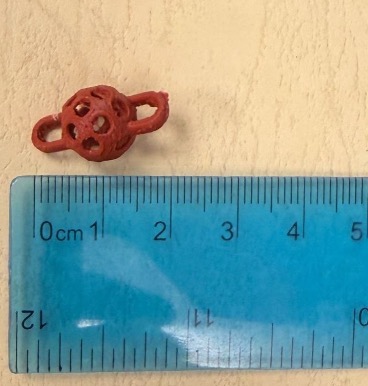
Figure 1. PHA beads before composting. Representative images show the beads alongside a ruler with centimeter markings for scale. Ten beads with a combined mass of 2.9 g were placed in a countertop composter.
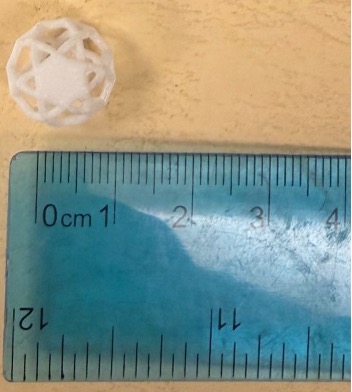
Figure 2. PLA beads before composting. Representative images show the beads alongside a ruler with centimeter markings for scale. Ten beads with a combined mass of 2.0 g were placed in a countertop composter.
After Two Months of Composting
PHA beads - No PHA fragments larger than 2 mm were detected in the compost.
PLA beads - Over 100 PLA fragments larger than 2 mm were recovered from the compost, indicating that the beads had fragmented.
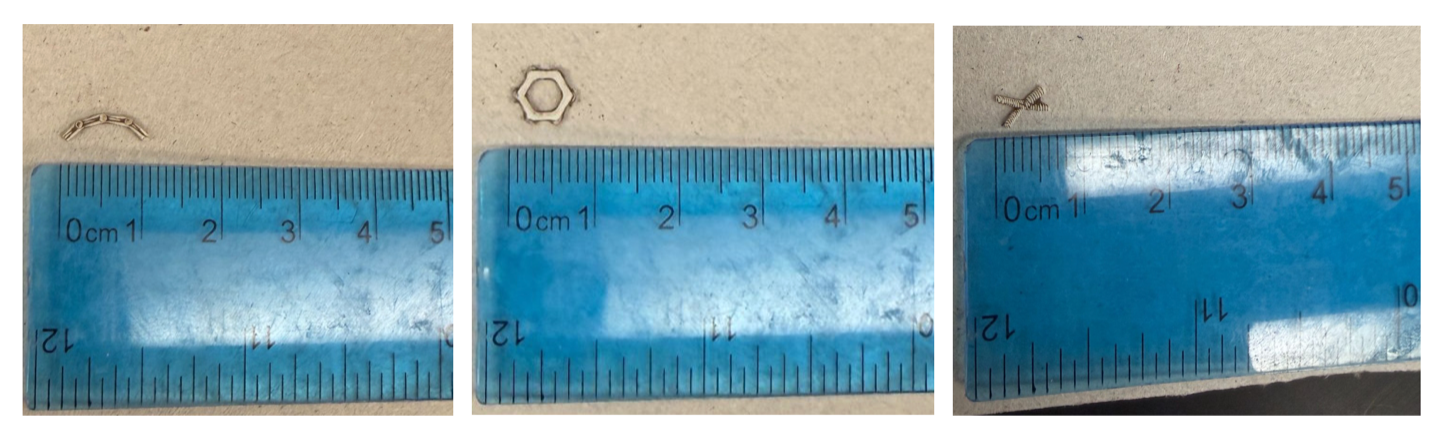
Figure 3. Image of PLA fragment recovered following two months of exposure to the composting environment, illustrating the physical changes in the materials after composting. A centimeter-scale ruler is included for size reference.