



About PlantMe Beads
PLA & PHA Beads
Our team is currently exploring two types of commercially available bio-based plastics
for PlantMe Beads. Both are made using renewable biological sources, but their material
properties and behavior after use are different. Their potential environmental benefits
depend on how they are produced, used, and disposed of.
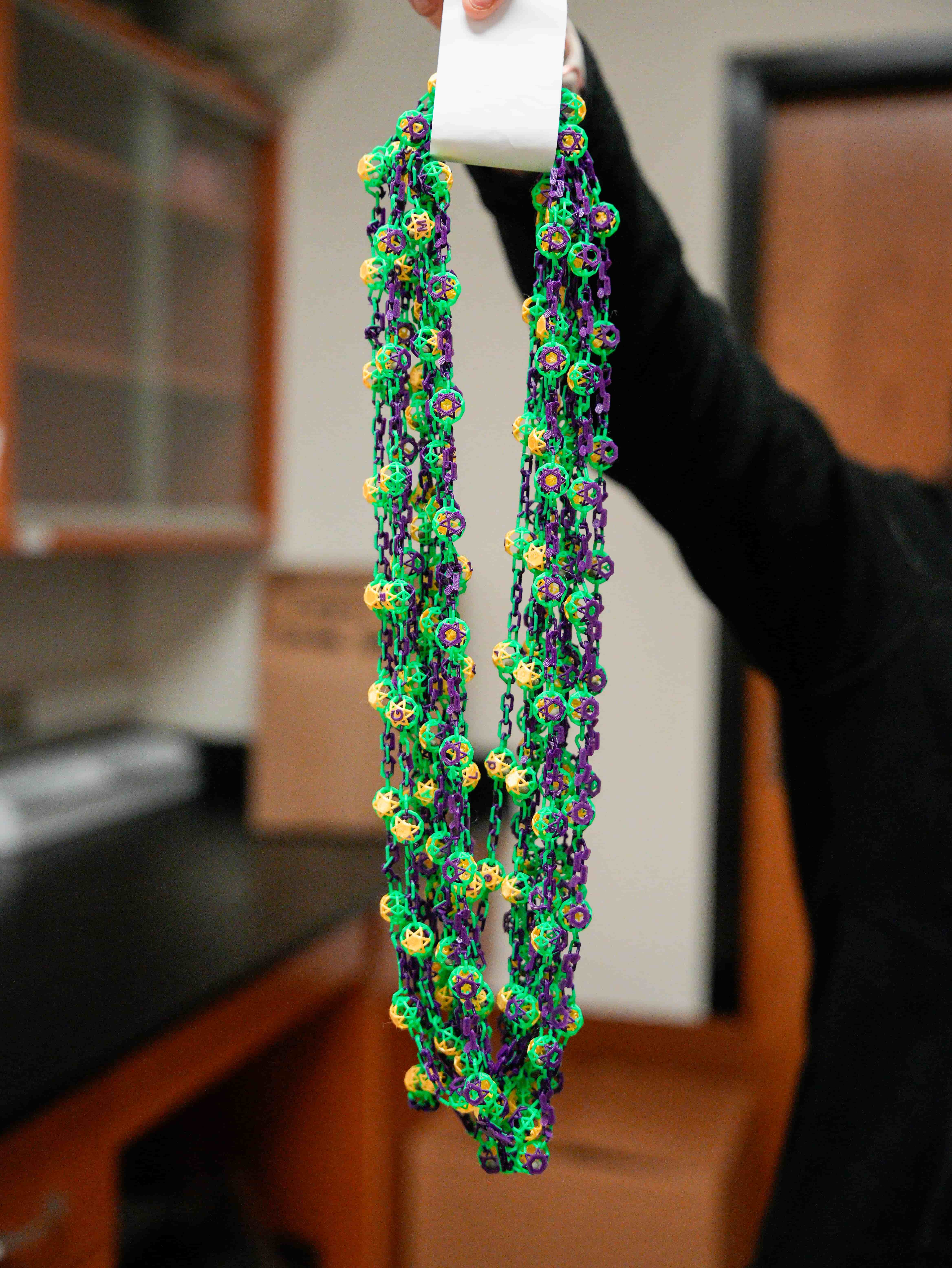
PLA PlantMe Beads - Most Popular Beads
PLA stands for polylactic acid. It is commonly made by converting plant-derived sugars into lactic acid and then into plastic.
The production process typically starts with extracting starch from plants through wet milling, then breaking the starch down into glucose (a simple sugar). Microorganisms then ferment the glucose, converting it into lactic acid. The third step involves a series of chemical reactions that link lactic acid molecules together, creating long-chains known as polylactic acid (PLA) a bio-based plastic.
PLA is well suited to 3D printing, but it does not necessarily break down quickly in ordinary soil, home compost, or landfills.
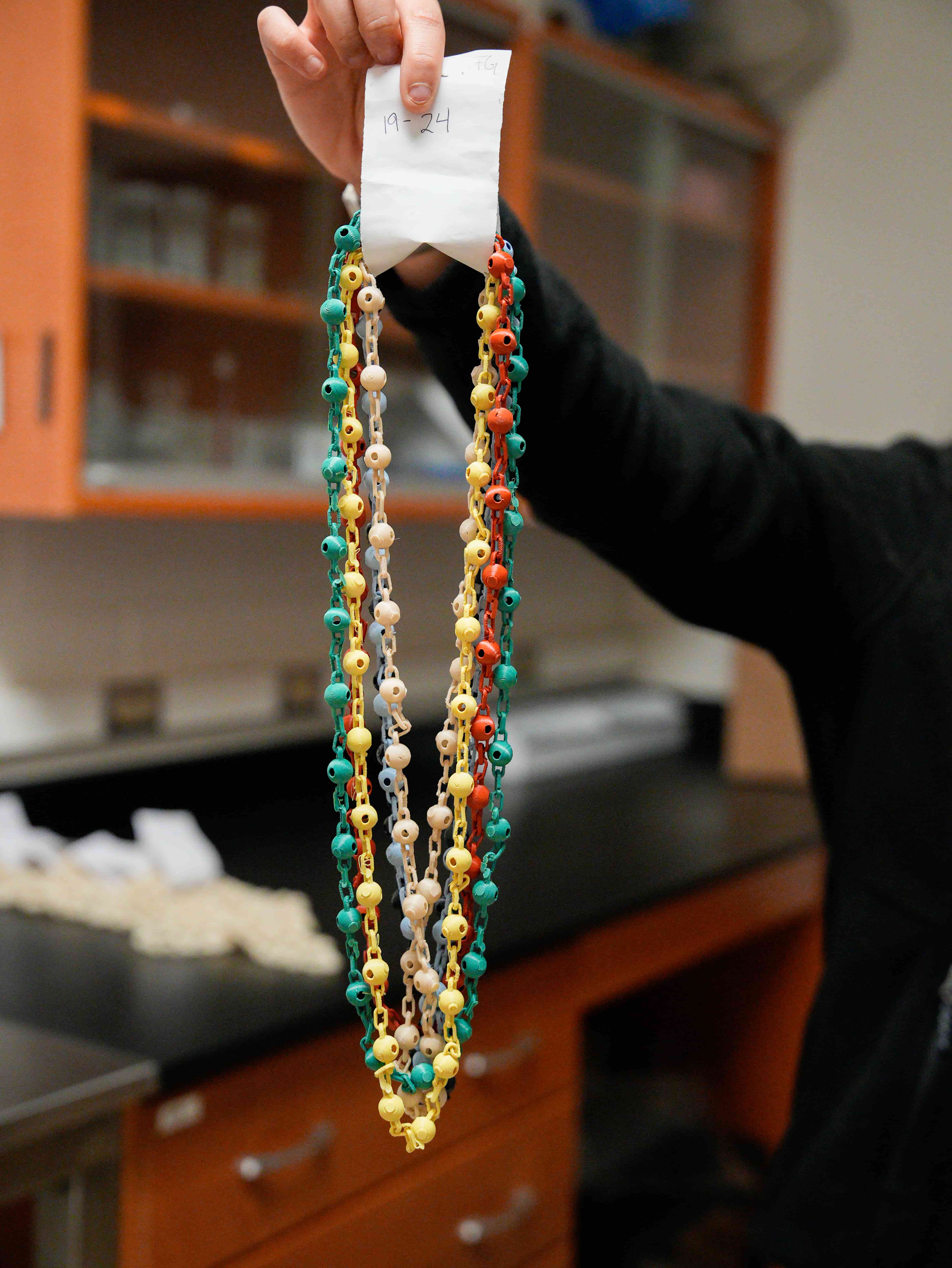
PHA PlantMe Beads
PHA stands for polyhydroxyalkanoates, a group of natural polymers produced within bacterial cells.
Bacteria are grown in a controlled environment and supplied with nutrients and a carbon source, such as sugars derived from plants. Under certain conditions, the bacteria convert these nutrients into PHA, which they store inside their cells as energy reserve. Once enough PHA has accumulated, the bacterial cells are collected and the PHA is extracted, purified, and dried to produce a bio-based plastic that can be processed into material suitable for 3D printing.
How are PlantMe Beads made?
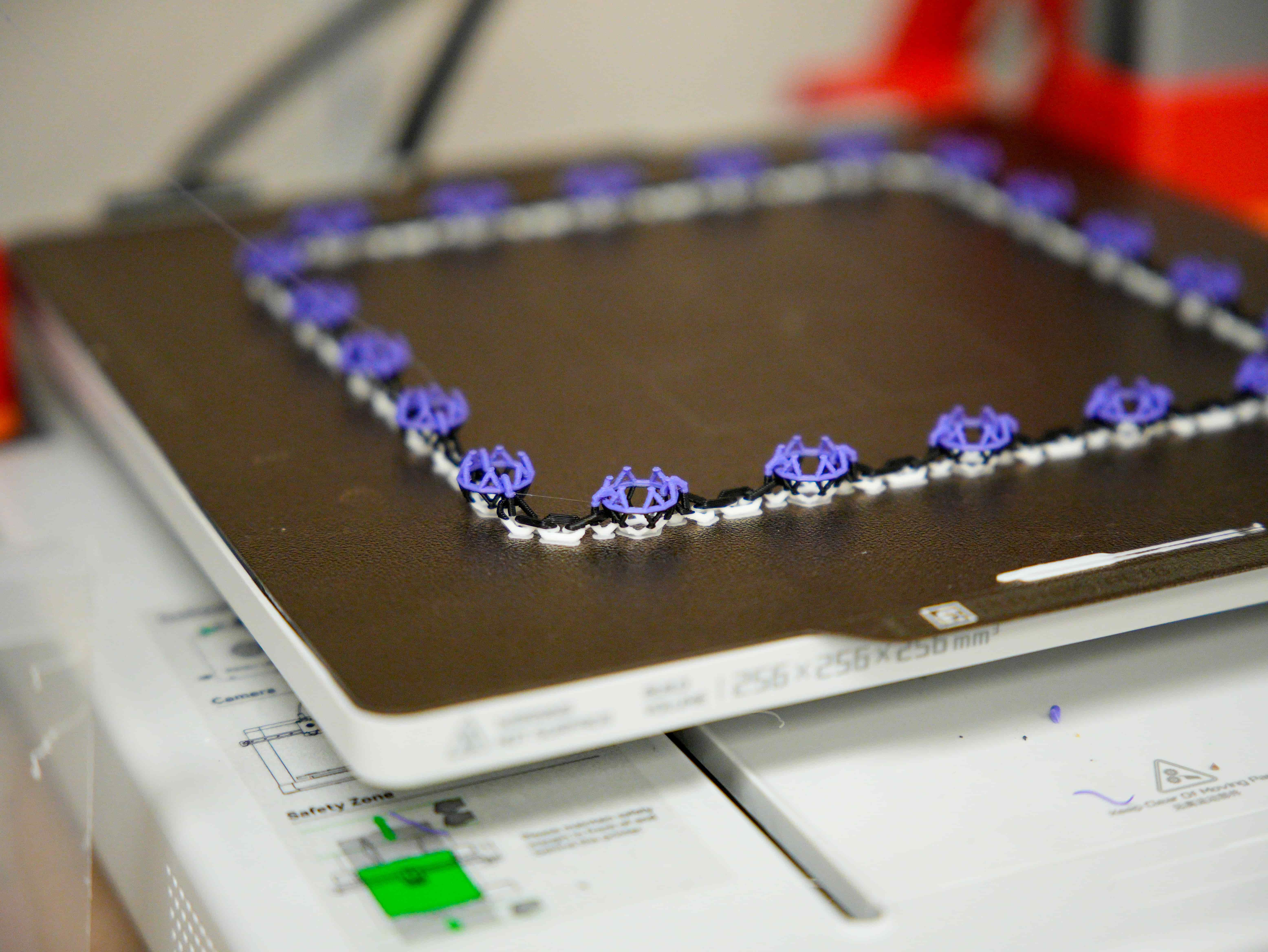
We design and produce PlantMe Beads in our 3D printing lab in the Life Sciences building at LSU. The team prepares a digital bead design, chooses a suitable material (currently PLA or PHA), produces the beads, and manually incorporates the seed during printing. Students then inspect the finished pieces for flaws and ensure each bead meets quality standards.
Note: Our PLA and PHA beads are currently available in two distinct designs, each specific to its respective material.
Our Environmental Approach
PlantMe Beads is a research project, not a claim that bio-based plastics will readily degrade or disappear when discarded on streets or in storm drains. These beads are not intended to be thrown away after use, but rather collected and planted to give the embedded seeds a chance to grow. The purpose of this project is to reduce waste, not to promote it.
Please collect and manage all beads responsibly, and follow the material-specific instructions that can be found under the Planting and Care Guidance tab.