
College of Science Media Center
Recent News
Featured Stories

LSU physicist Constantin Schrade will receive a DOE Career Award to explore how altermagnets, an emerging class of magnetic materials, could be used to control the movement of electrons based on their spin. The research builds on his recent work published in Science Advances and could help advance spintronics, a promising approach to developing more energy-efficient computing technologies.
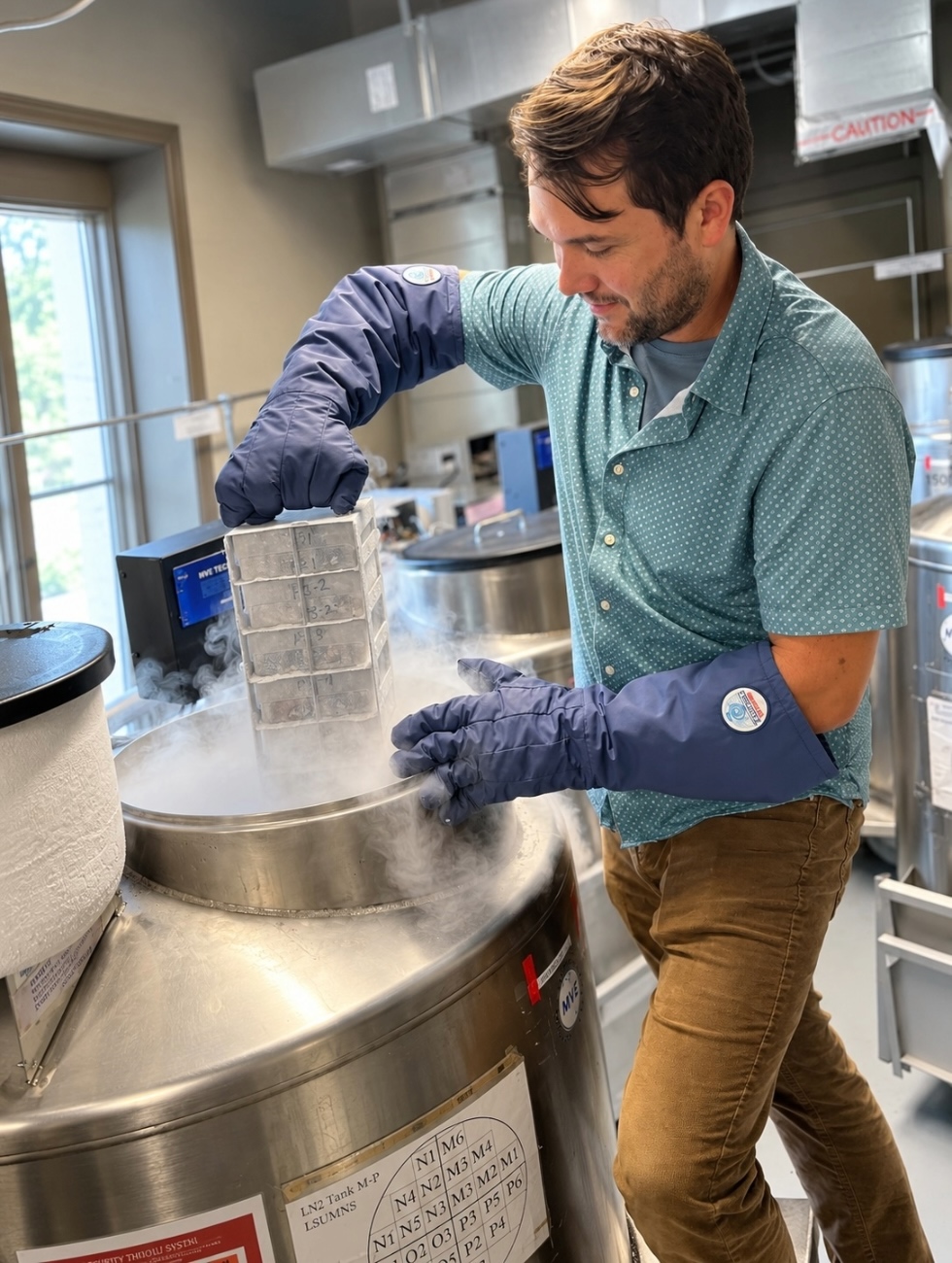
LSU’s Collection of Genetic Resources is one of the world’s oldest and largest vertebrate genetic collections, preserving more than 200,000 tissue samples gathered over nearly half a century. Used by researchers around the world, the collection supports studies ranging from evolution and genomics to disease and wildlife forensics. Building and protecting this frozen biological archive requires decades of fieldwork and collaboration, liquid nitrogen, constant monitoring and careful planning to ensure samples remain available for scientists today and for questions that may emerge decades from now.
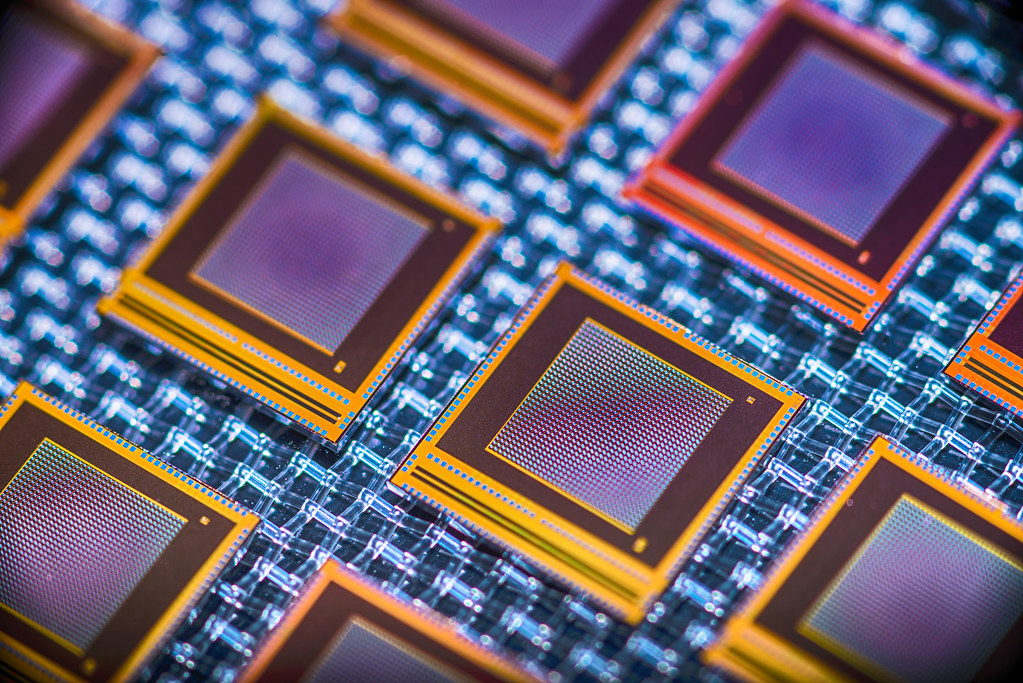
Two LSU-led research teams have been selected for the U.S. Department of Energy's Genesis Mission, a national initiative using artificial intelligence to accelerate scientific discovery. Partnering with Oak Ridge and Brookhaven national laboratories, LSU researchers will develop AI tools to advance nuclear physics and improve particle accelerator performance, including at Louisiana Light Source, strengthening U.S. research infrastructure, energy innovation, and national security.
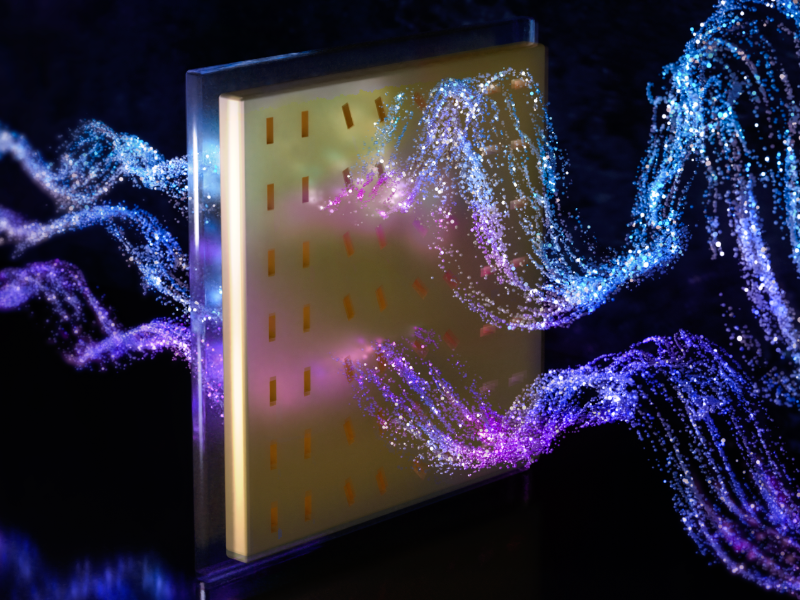
LSU physicists have developed the first room-temperature quantum material capable of distinguishing and transporting different quantum states of light. Published in Nature, the breakthrough establishes a blueprint for engineering future quantum materials that could advance quantum computing, secure communications, sensing technologies, and renewable energy.
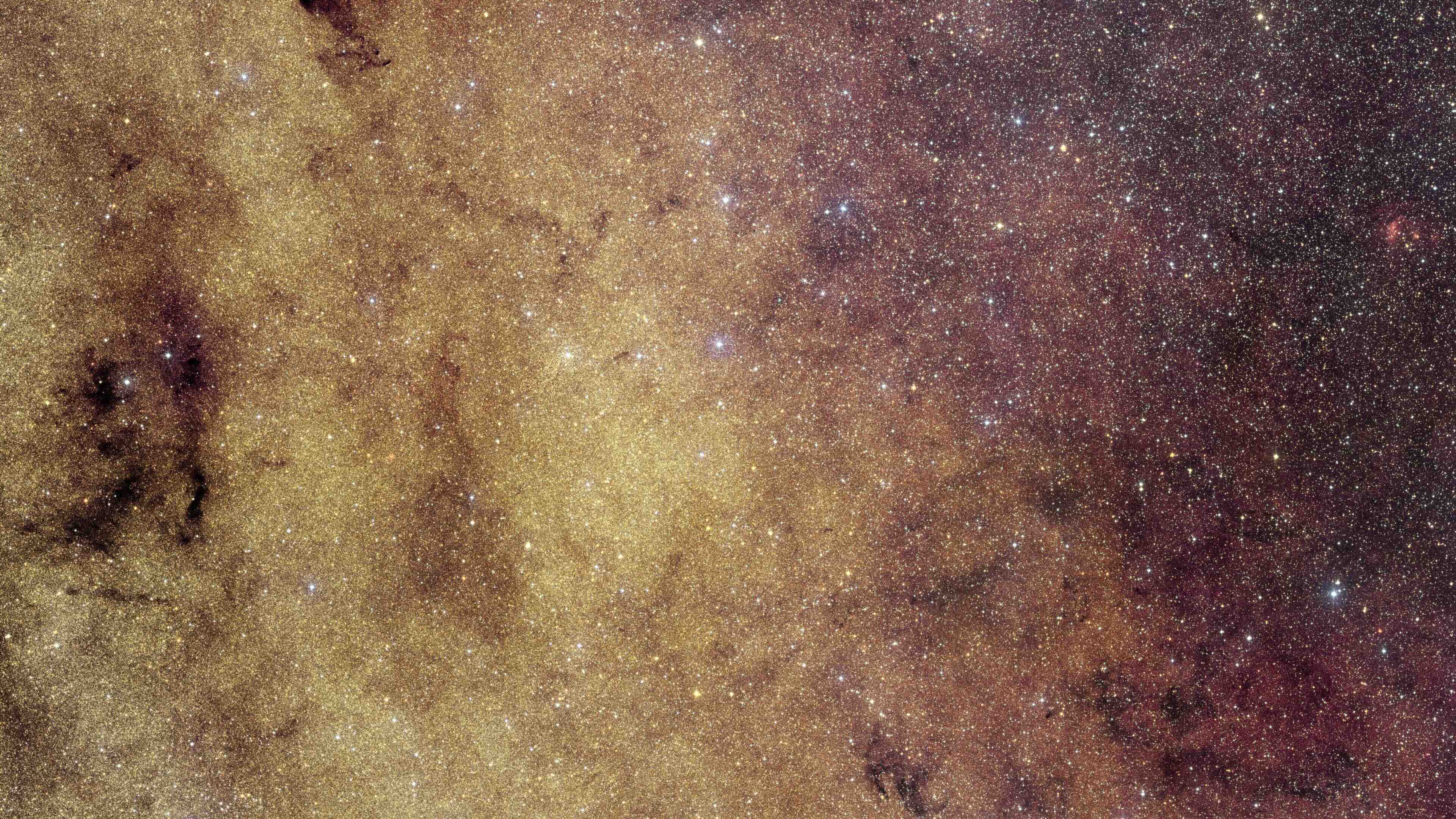
A newly released image from ESA's Euclid mission provides the most detailed visible-light view of the Milky Way's center ever captured. LSU researchers Matthew Penny and Himanshu Verma are helping use the data to support NASA's Nancy Grace Roman Space Telescope, improving astronomers' ability to detect, confirm, and measure the masses of exoplanets through gravitational microlensing.
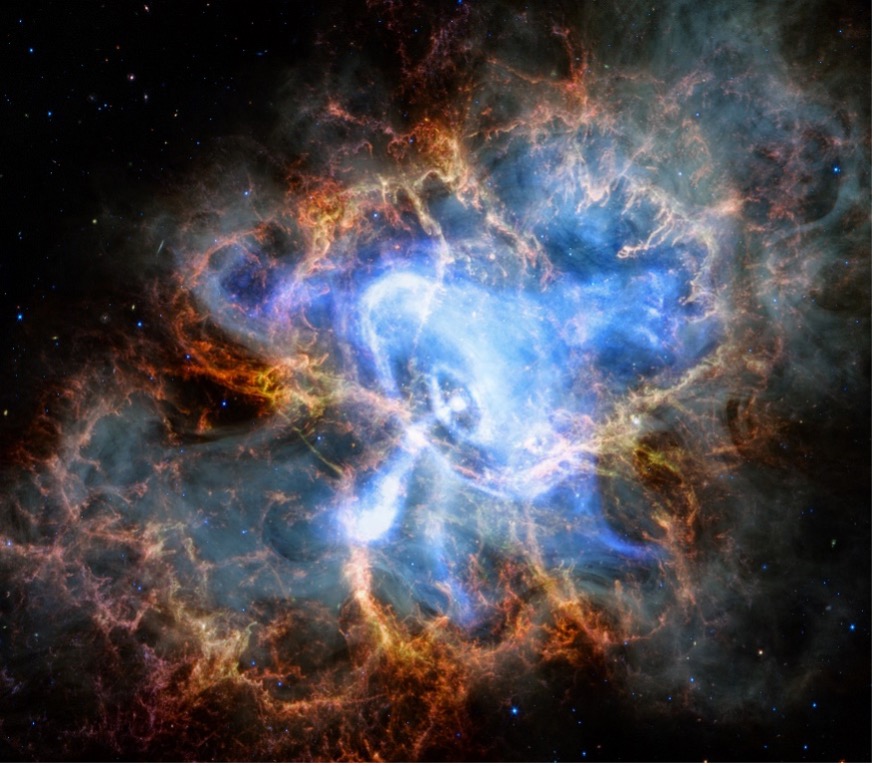
Researchers from Louisiana State University contributed to a NASA-led discovery of gamma rays from a rare superluminous supernova detected by the Fermi Gamma-ray Space Telescope. The finding provides some of the strongest evidence yet that highly magnetized neutron stars, known as magnetars, can power some of the brightest stellar explosions in the universe and opens a new window into studying how these extreme cosmic events evolve.
Research news
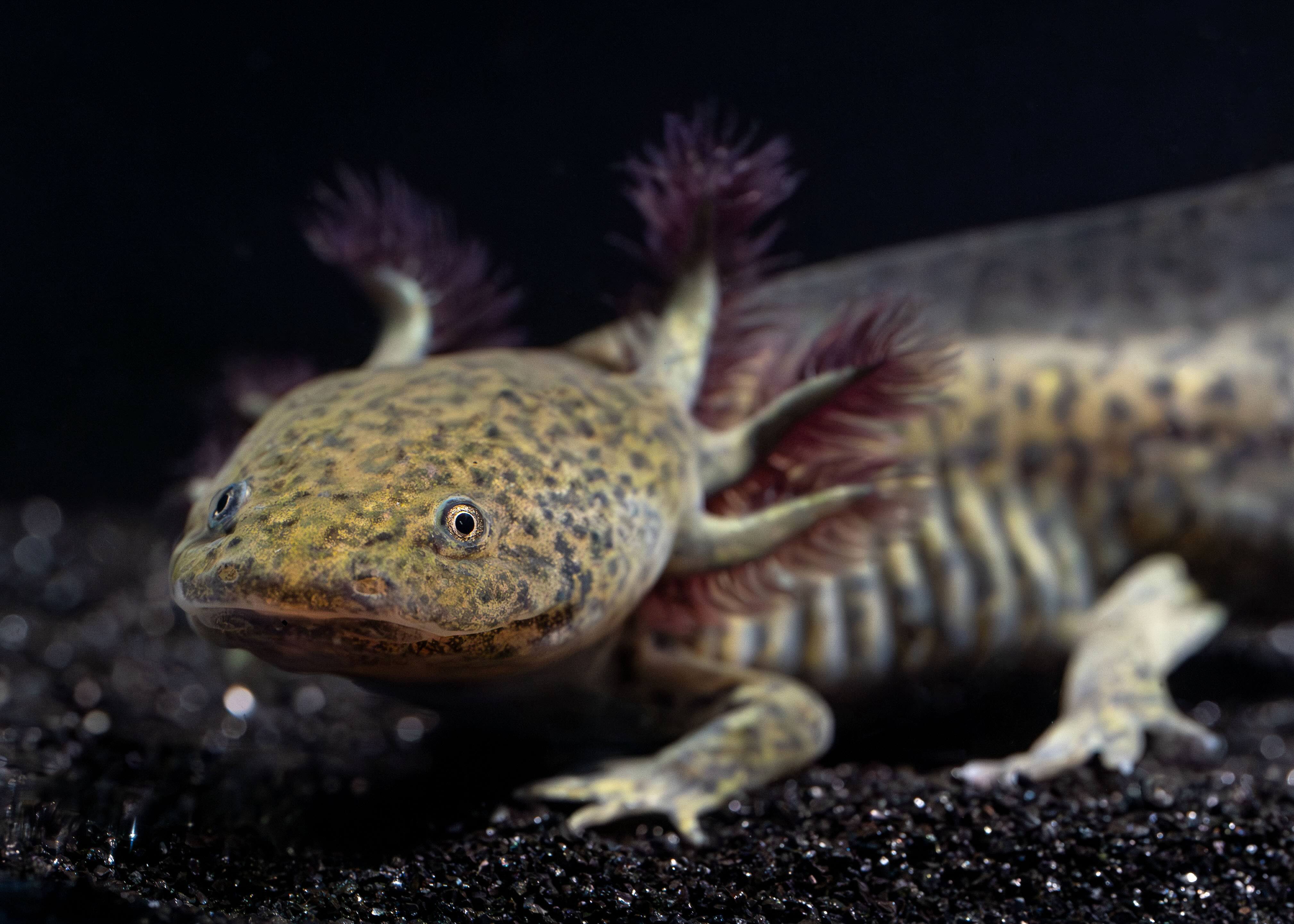
LSU biologist Igor Schneider is investigating the molecular signals that tell cells to regenerate rather than simply heal after injury. Supported by a $1.875 million NIH MIRA (R35), his lab will compare regeneration across axolotls, African lungfish, Senegal bichir, and lizards to identify signaling pathways shared across regenerative species. Using spatial transcriptomics, single-nucleus RNA sequencing, and CRISPR, the team aims to uncover a conserved “pro-regenerative signaling toolkit.”
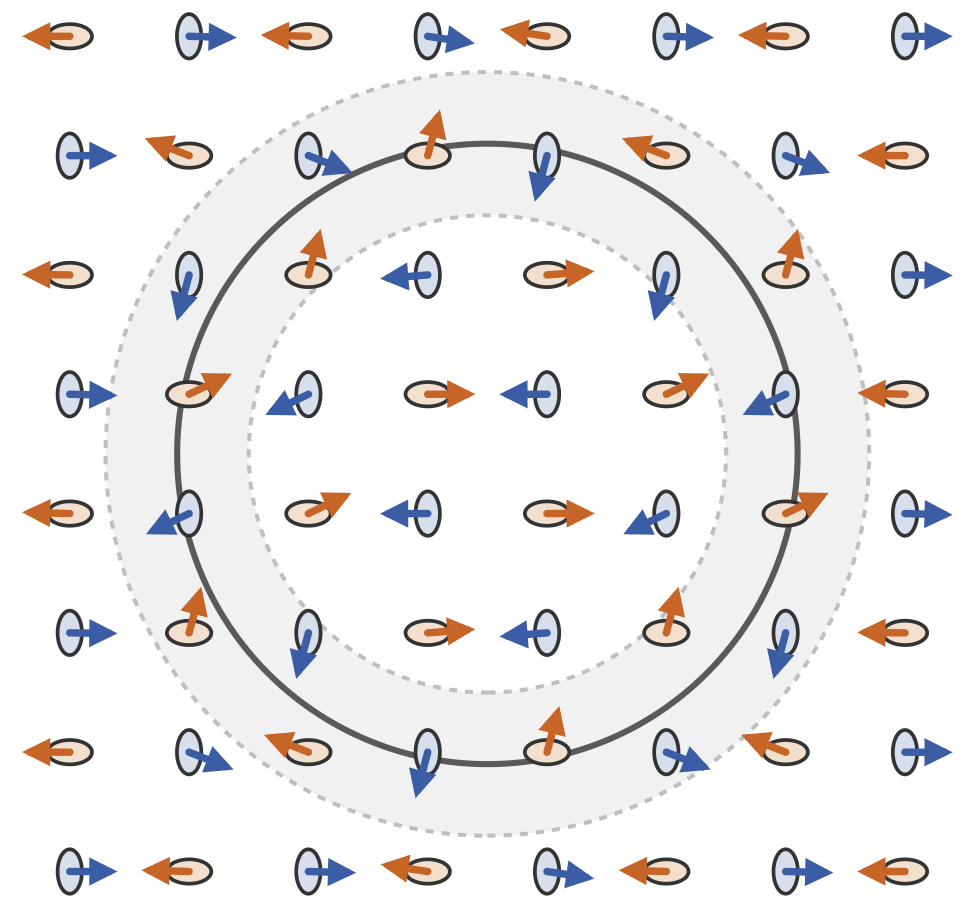
LSU physicist Constantin Schrade and collaborator Mathias S. Scheurer have developed a new theory for controlling how electrons move through altermagnets, an emerging class of magnetic materials. Their work shows that changing the material’s microscopic magnetic patterns could steer electrons in different directions depending on their spin. The findings give scientists new predictions to test and could eventually help researchers control how spin-based information moves through future electronic technologies.
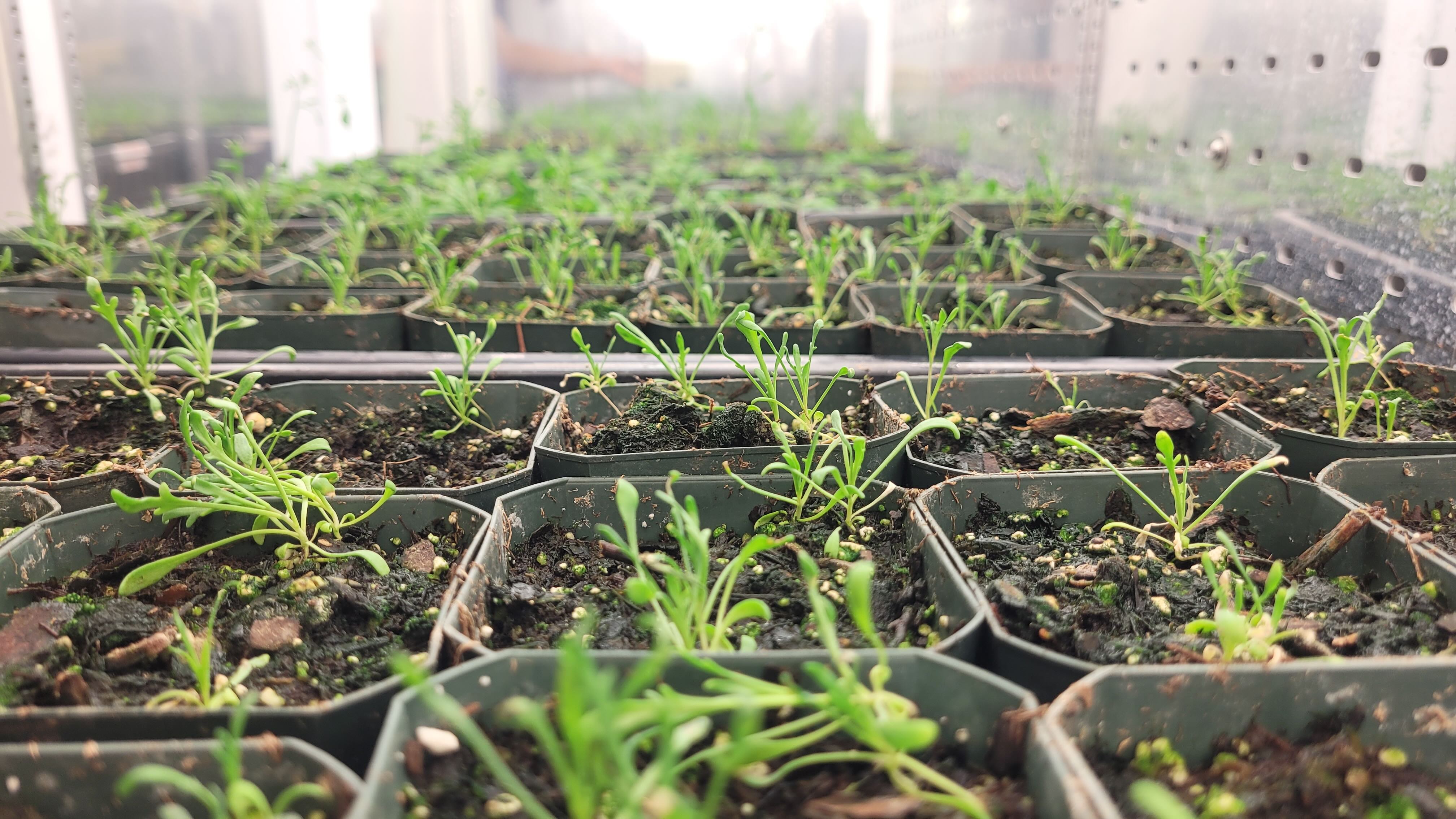
LSU researchers have created a cross-species single-cell atlas of plant roots, offering a new look at how plants respond and adapt to salt stress. By analyzing more than 200,000 individual root cells across five species, the team found that different cell types play distinct roles in stress response and that salt-tolerant plants have evolved multiple strategies for surviving saline environments. Published in Nature Communications, the study provides new insights into plant resilience that could help guide future efforts to develop crops better suited for increasingly stressful growing conditions.
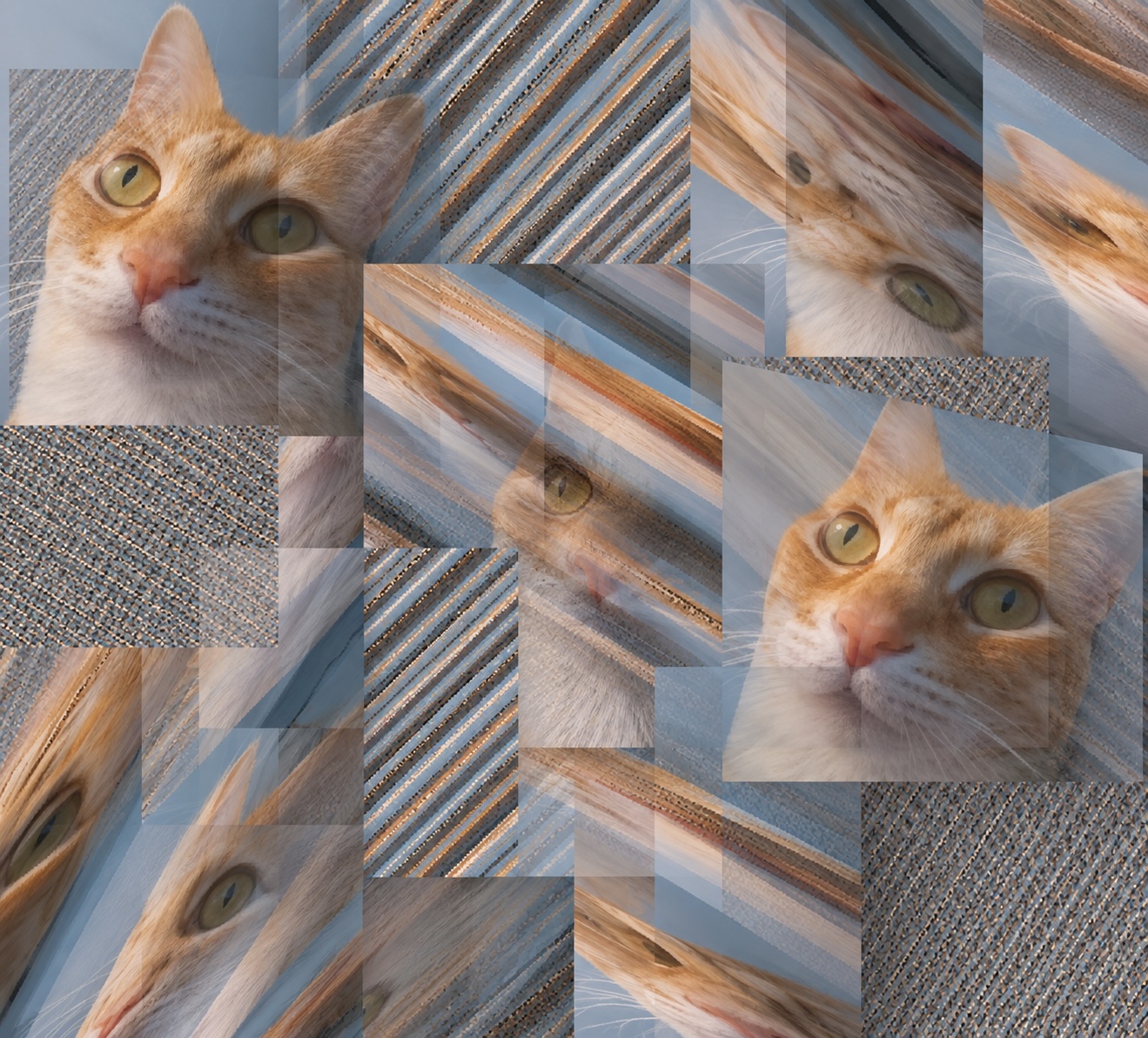
LSU physicist Justin Wilson and collaborators have developed a new framework for controlling quantum chaos, adapting techniques originally designed for classical chaotic systems. The team showed that small, occasional corrections can stabilize unstable quantum states despite the constant fluctuations imposed by the uncertainty principle. Their work also revealed a sharp transition between controllable and uncontrollable behavior, uncovering universal rules that could help scientists protect and manipulate quantum information in future technologies.
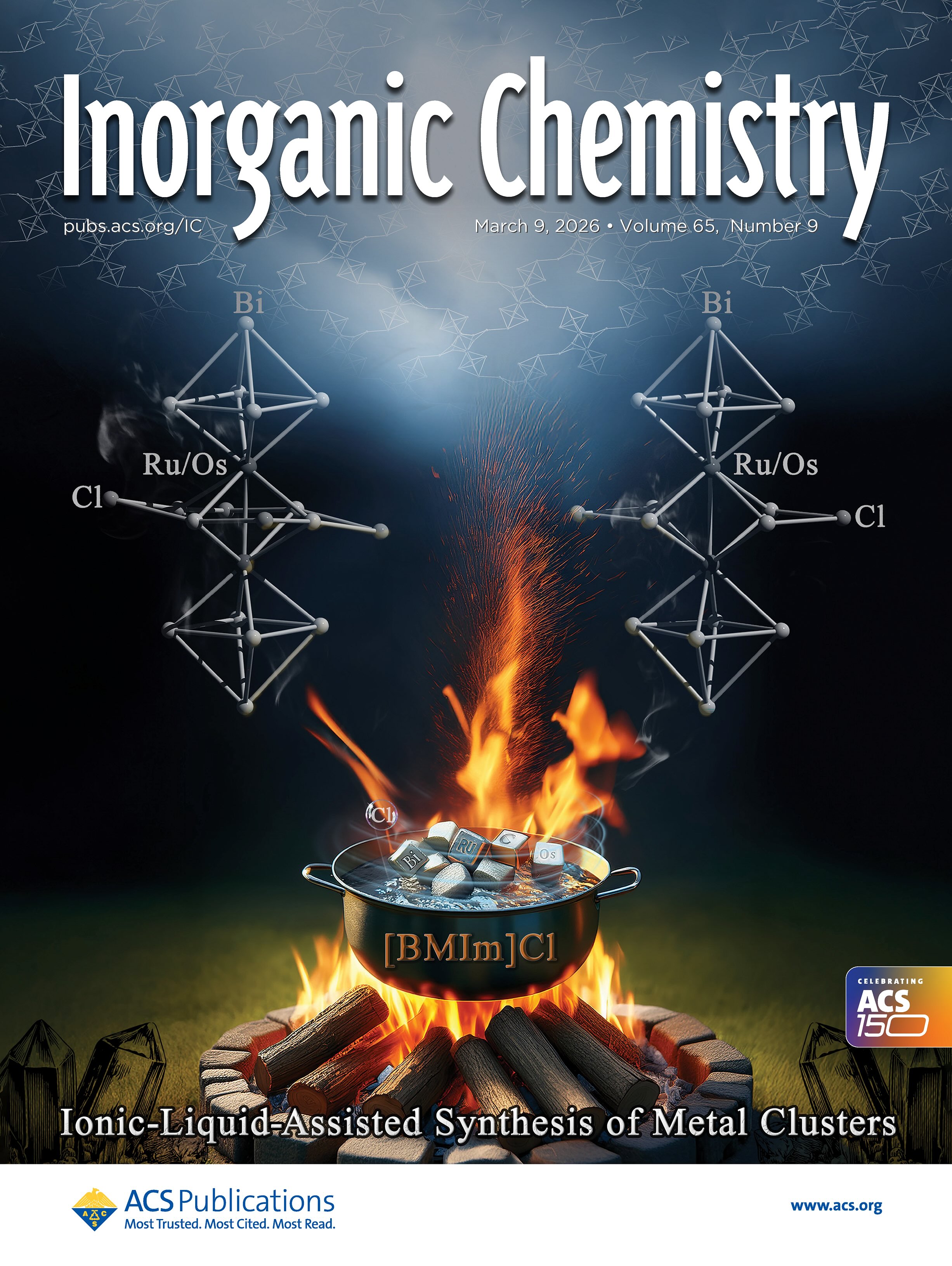
LSU researchers have developed a new method for synthesizing complex inorganic materials at significantly lower temperatures using ionic liquids as a reaction medium. By reducing the need for extreme heat, the approach lowers energy demands while enabling greater precision in how atoms assemble into structured clusters. The study identifies new bismuth-based cluster forms and integrates experimental and computational analysis to better understand and predict their formation. This work establishes a new pathway for designing advanced materials with potential applications in energy, catalysis, and next-generation technologies.
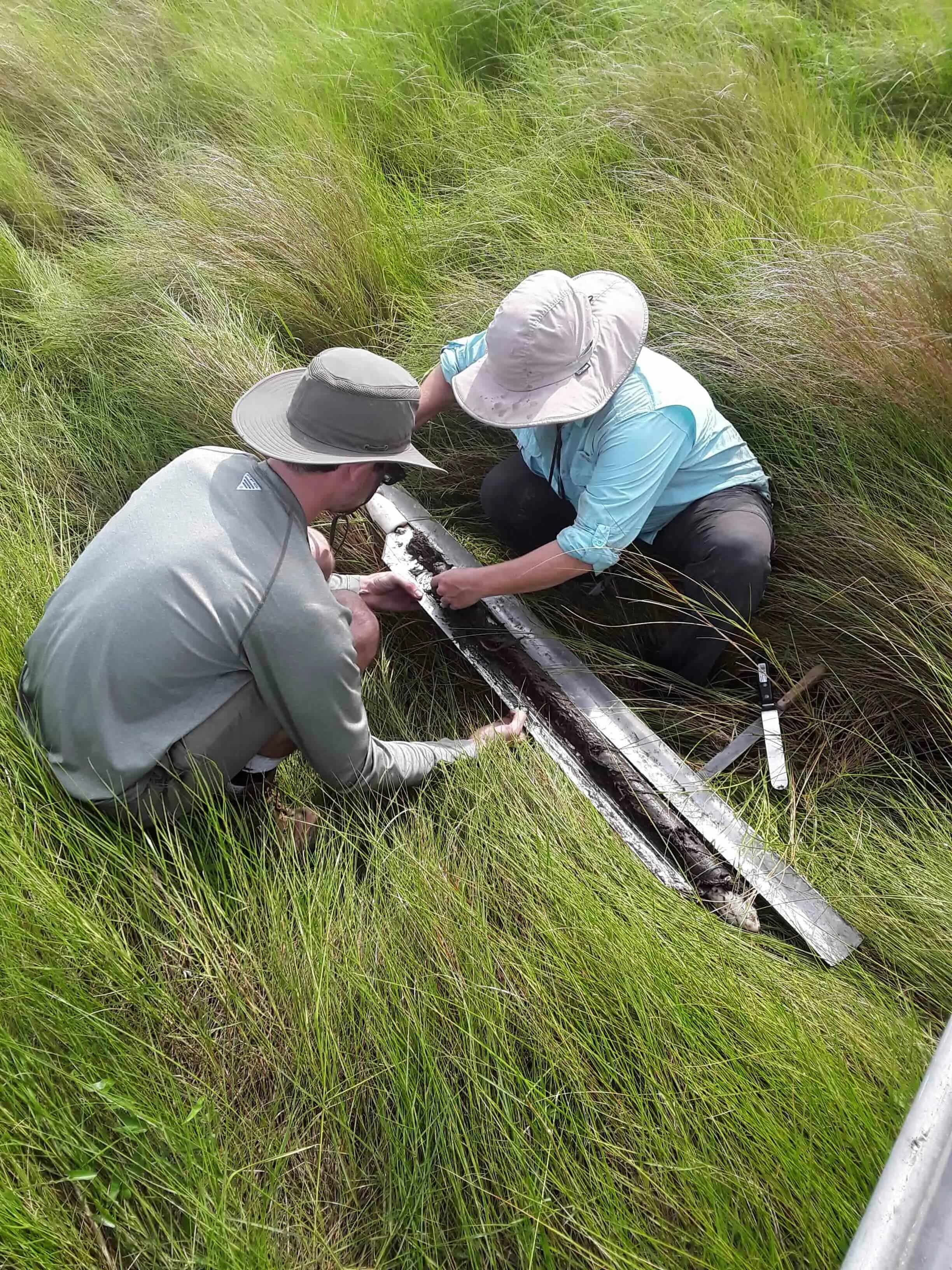
Louisiana’s coastline faces well-documented threats from sea-level rise, subsidence, and land loss. A 2024 study warned that up to 75% of wetlands could drown by 2070. New research from LSU-affiliated scientists adds nuance, showing that wetland loss varies by location. While some areas are deteriorating due to erosion, others can still build elevation when sediment is available. The findings highlight the need for site-specific restoration strategies, from marsh creation to sediment diversions, tailored to local conditions and processes shaping each landscape.
Science Next Blog
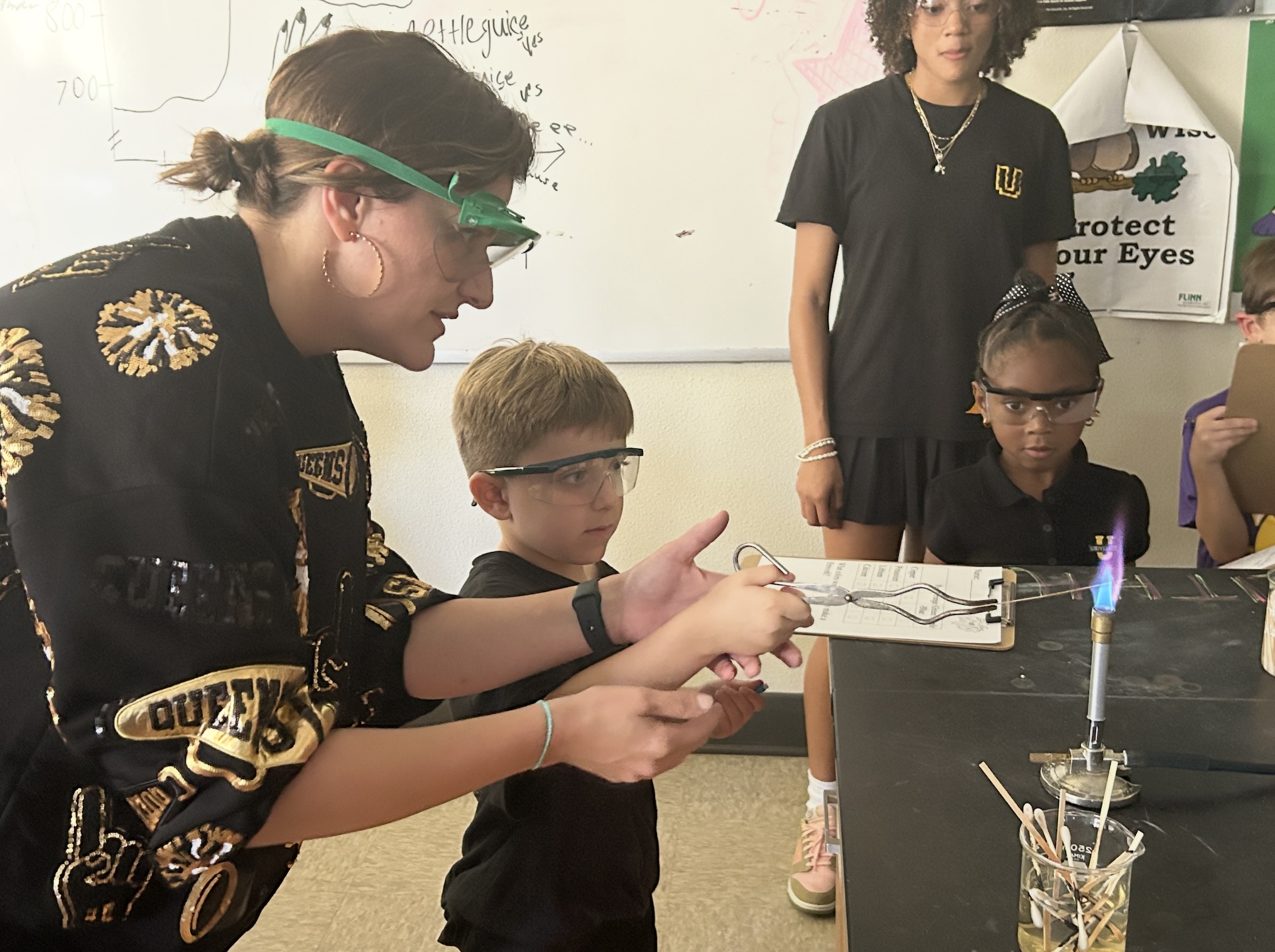
LSU College of Science alumna and chemistry teacher JoAnna Stewart reflects on her journey from science student to educator. From hands-on experiments to fieldwork and international experiences, Stewart creates opportunities for students to experience science beyond the classroom while building the confidence, curiosity, and critical-thinking skills they can carry with them wherever they go next.
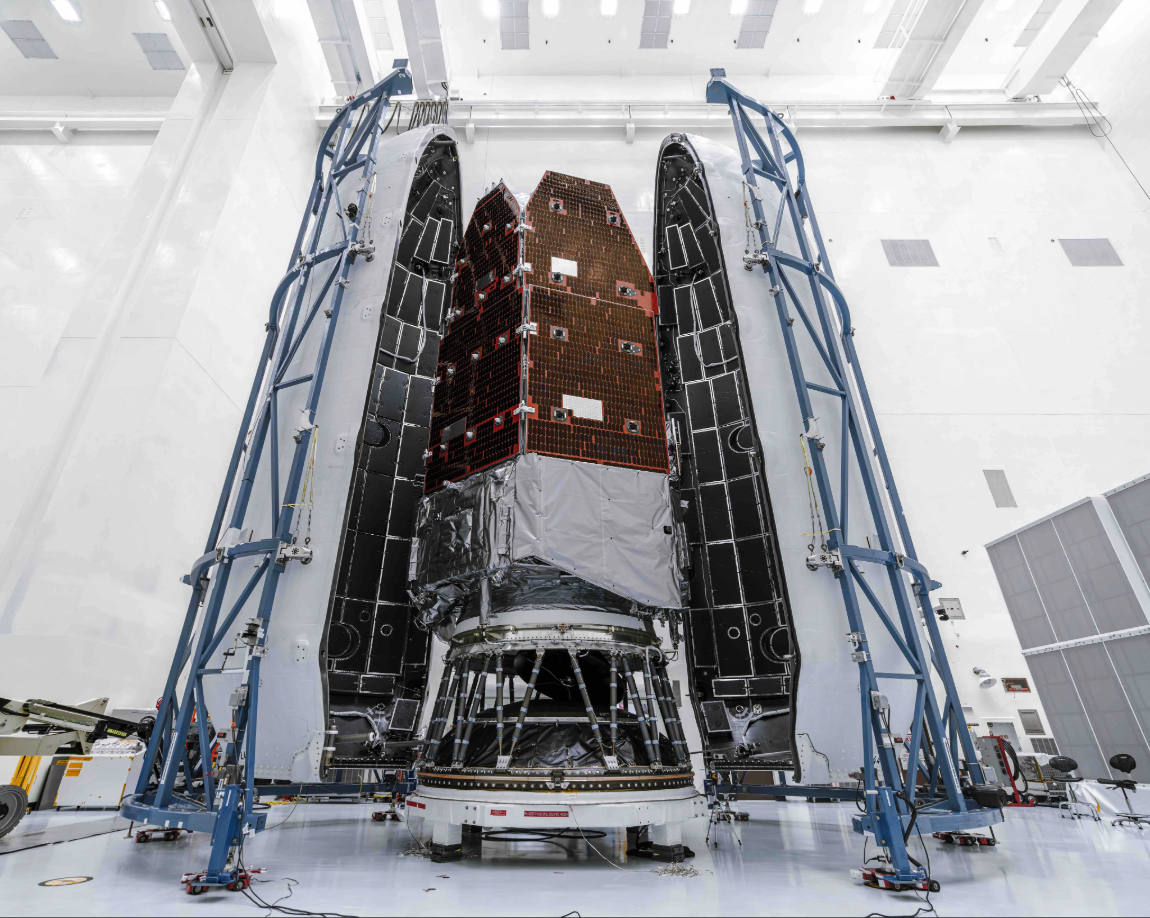
As NASA’s Nancy Grace Roman Space Telescope prepares for launch Aug. 30, LSU scientists are ready to turn years of preparation into discovery. LSU astronomer Matthew Penny helped shape Roman’s science goals and a major survey that will search for new worlds near the center of the Milky Way. With four LSU-led projects receiving about $900,000 in funding, researchers will use Roman to study planets, stars, black holes and neutron stars—while connecting the mission to LSU’s astronomical legacy and training the next generation of researchers.
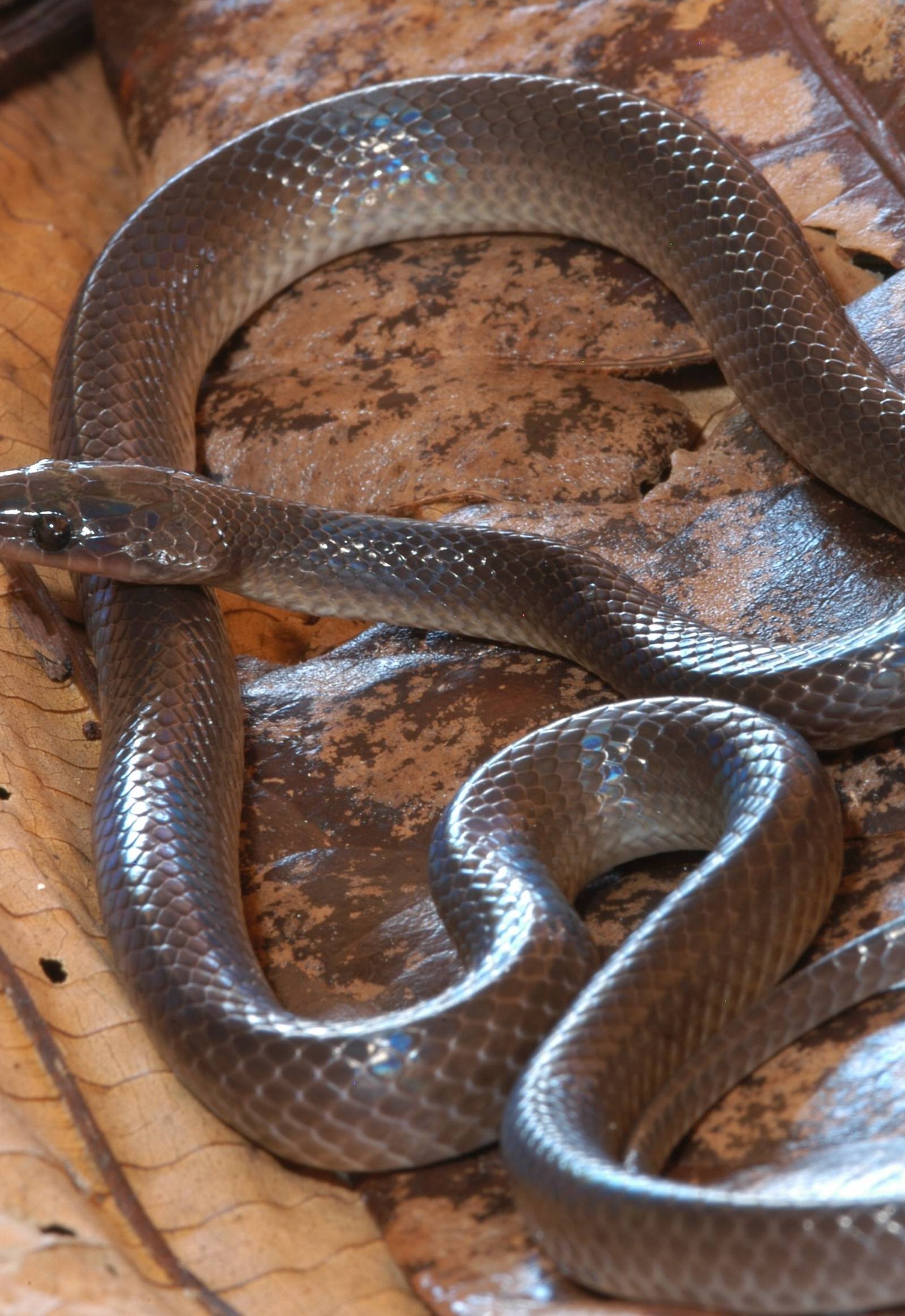
LSU herpetologist Chris Austin and collaborators have identified a new snake species from New Guinea, Lielaphis slashi, named for Guns N’ Roses guitarist Slash. Austin first encountered the nonvenomous groundsnake during a 2006 expedition, but it took nearly two decades of genetic and physical analysis to confirm it as a species new to science. The discovery adds to Austin’s more than three decades of fieldwork documenting New Guinea’s biodiversity and his career total of 53 newly described species.